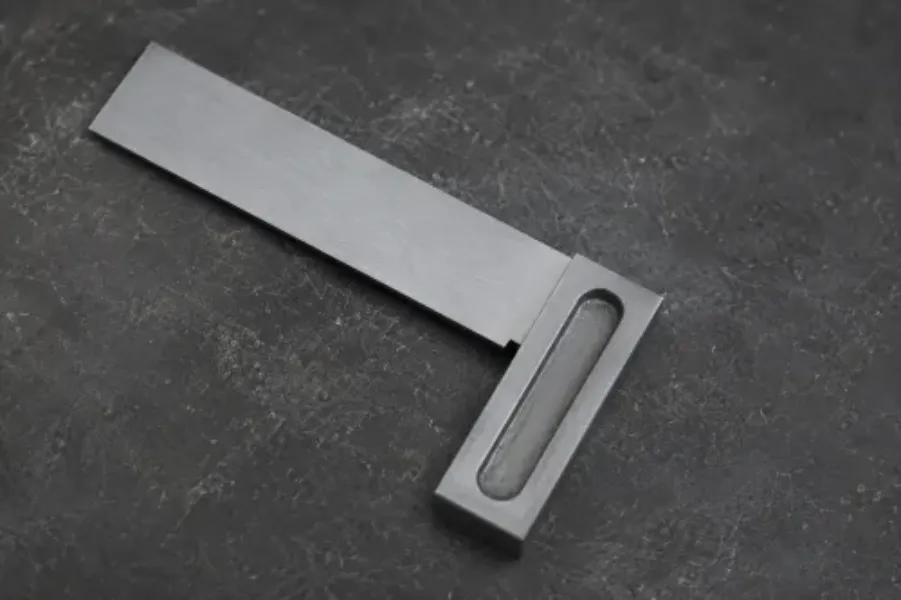
Right-angle components appear throughout fabrication, installation, structural support, shelving, framing, machinery mounting, and general engineering work. Despite their simple shape, they can vary significantly in material, dimensions, thickness, hole arrangement, finish, and intended load.
That makes specification an important part of selecting a Right Angle dealer for recurring industrial requirements.
For workshops, fabrication businesses, contractors, and engineering companies operating across Delhi, a structured buying process can reduce mismatched components and unnecessary reordering.
Define the Application First
'Right angle' can describe different products depending on the industry and application.
A small angle used for a light fixture has very different requirements from a component supporting an industrial frame.
Buyers should explain where the part will be installed, what it connects, the expected load, and the surrounding environment.
This immediately makes supplier discussions more productive.
Verify Dimensions Carefully
Industrial components need dimensional compatibility.
Depending on the product, important measurements may include:
- Leg dimensions
- Material thickness
- Overall length
- Hole diameter
- Hole spacing
- Edge distance
- Slot dimensions
For fabrication projects, even a minor difference in hole position can affect assembly.
A drawing is often more useful than a verbal description when multiple dimensions are involved.
Review Material Requirements
Right-angle components can be manufactured from different metals and grades depending on their purpose.
Material selection should reflect strength requirements, environmental exposure, fabrication method, corrosion conditions, and project specifications.
Indoor mounting hardware may have relatively straightforward requirements, while outdoor equipment and industrial process areas can demand greater attention to corrosion protection.
Check the Surface Finish
Surface treatment can influence both appearance and service performance.
Depending on the component, finishes may be selected for corrosion resistance, ease of maintenance, compatibility with surrounding equipment, or project requirements.
Procurement teams should therefore specify the required finish rather than assuming that all right-angle products are supplied identically.
Evaluate Supply Consistency
Repeatability matters when the same component is used across multiple assemblies.
If one batch differs in thickness, hole placement, or dimensions from another, fabrication teams may need to modify parts on site.
Industrial buyers purchasing repeat quantities should therefore consider consistency alongside initial cost.
Maintaining approved specifications internally can also simplify future orders.
Confirm Quantity Requirements Early
Some engineering requirements involve a few replacement components, while fabrication projects can require substantially larger quantities.
Discussing quantity at the enquiry stage helps the supplier understand the purchasing context and identify suitable supply options.
For ongoing requirements, procurement managers may also benefit from planning replenishment before critical stock is exhausted.
Choose Based on Technical Fit
Goyals Industrial Hub works with industrial buyers in Delhi seeking engineering and industrial supplies. When assessing a Right Angle dealer, buyers should focus on the provider's ability to understand dimensions, material requirements, quantity, and intended application.
A simple right-angle component can influence alignment, assembly speed, and finished installation quality. Clear specifications and disciplined procurement therefore remain the most effective ways to reduce fitting issues and improve consistency across industrial projects.
Keywords