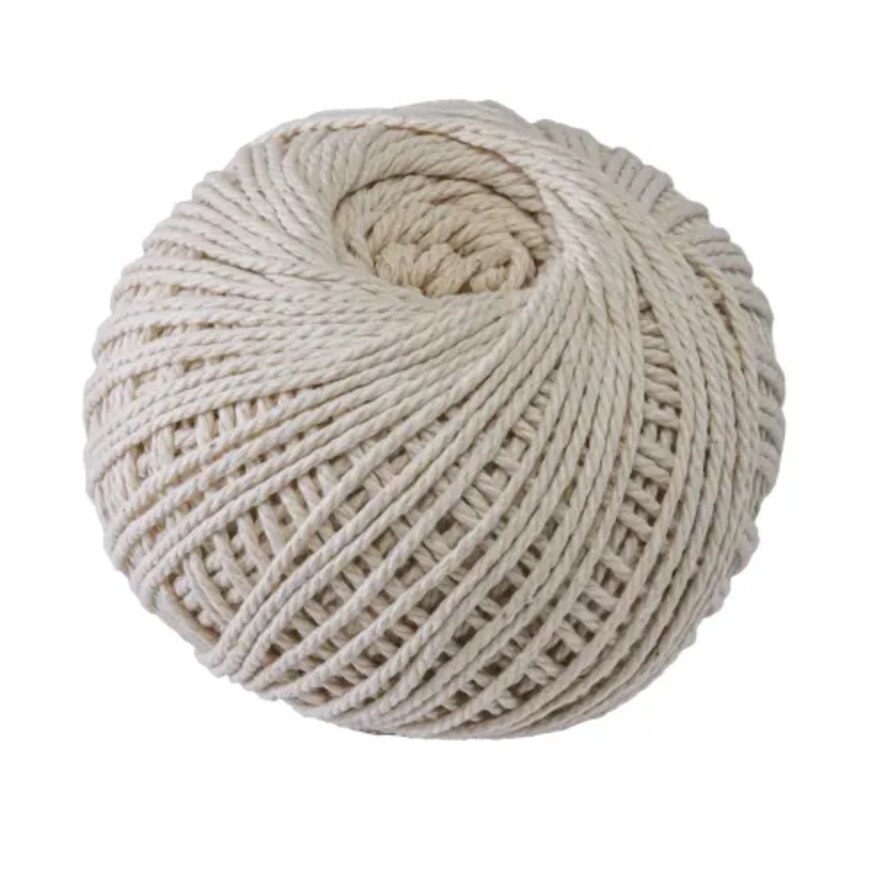
A dependable supply starts with a written specification, not a catalogue label such as “cotton line” or “high strength.” By comparing construction, application risk, stock continuity, inspection controls and delivery evidence, you can choose a dealer that supplies consistent rolls and tells you when cotton is the wrong material.
Key takeaways
- Specify diameter, ply, construction, strength, roll length and tolerances before requesting prices.
- Ask for a sample and confirm production capacity, lead time and repeat-order stock.
- Match fibre and construction to abrasion, heat, moisture and load conditions.
- Inspect diameter, surface, packaging, moisture and batch consistency when deliveries arrive.
Write a specification before comparing cotton line dori dealers
Put a measurable cotton dori specification on the request for quotation before asking for prices. “Cotton line” alone allows each dealer to quote a different diameter, construction and strength.
1. State the fibre and yarn details: 100% cotton if required, cotton yarn count, ply count, and whether the yarn is combed, carded or blended.
2. Define construction and dimensions: twisted, braided or plaited; number of strands; nominal finished diameter; twist direction; and an acceptable diameter tolerance. Require dealers to state whether diameter is measured loose, under a specified tension, or after compression.
3. Request mass per metre as well as diameter. Diameter changes with braid tightness, moisture and measuring pressure, so mass per length helps expose unlike products.
4. Specify the supply unit: finished length per roll, number of rolls, package weight, and the tolerance for length. State the required colour and whether the dori must be waxed, dyed, bleached or untreated.
5. Ask for approximate breaking strength, the test method used, and any available batch or product data. Do not accept “high strength” as a specification.
6. Name the intended task—bundling, lacing, masking or temporary positioning—and state that it is not for rigging, suspended loads, fall protection, lifting people or electrical insulation.
Include an approved sample or photograph with the RFQ, then require written confirmation that the quoted product matches every line of the cotton dori specification.
Test whether the dealer can maintain regular supply
A first order proves that a dealer can sell, not that the dealer can keep your workshop supplied. Test replenishment before approving the source by asking for written answers and checking a repeat delivery against the same acceptance criteria.
1. Ask for current stock depth in rolls, the standard roll length, dispatch schedule, and minimum order quantity. A dealer holding only one short roll cannot support a recurring requirement, even if the quoted unit price is attractive.
2. Get the reorder lead time in working days, measured from purchase order to dispatch. Ask what happens when the requested quantity exceeds available stock, and record whether replenishment comes from local stock or a new production batch.
3. Define acceptance checks before placing the trial order: diameter and mass per unit length, finished roll length, uniform twist or braid, dry packaging, lot identification, and absence of loose yarns, hard spots, mildew or chemical odour.
4. Where strength matters, require breaking force and elongation results for representative samples, with specimen condition and test method stated. ISO 2307 provides a recognised basis for fibre-rope measurements; an unexplained “high-strength” figure cannot be compared reliably.
5. Place a smaller repeat order after the first delivery. Compare roll length, construction, colour, softness, packaging and lot records with the approved sample. Reject a dealer who substitutes a different specification without written approval.
A dependable supplier also explains how much notice protects your production schedule. Calculate expected weekly use, divide available stock by that consumption, and reorder before the stated lead time plus a practical delay buffer. This exposes shortages before the workshop does.
Match fibre, construction and strength to the actual job
A cotton dori has enough performance only when its construction, measured breaking strength and working conditions match the job. Check the expected load, knot tension, abrasion, moisture exposure and repeated handling; a “high-strength” claim without test conditions is not a usable specification.
Ask the dealer to state:
- Cotton yarn count, ply count, construction and twist direction
- Nominal diameter, mass per unit length and permitted tolerance
- Breaking strength, elongation and test method, such as ISO 2307
- Whether the sample was dry or wet, straight or knotted, and tested with a splice or termination
- Waxed, dyed, bleached or untreated finish, plus roll length and package size
Do not convert breaking strength into a lifting capacity. Knots, tight bends, hitches, abrasion and damaged fibres reduce efficiency, so lifting requires a marked, traceable sling or assembly with a stated rated capacity—not an unmarked coil of dori.
| Material | Useful performance | Select it when |
|---|---|---|
| Cotton dori | Soft grip, low stretch, comfortable handling; absorbs moisture and wears faster when wet or abraded | Tying, bundling, tagging and light workshop work in dry conditions |
| Jute twine | Rough grip and low cost; coarse fibres and limited durability | Temporary bundling, packing and agricultural tying |
| Polypropylene twine | Moisture-resistant, light and economical; lower heat and abrasion tolerance | Outdoor tying, wet areas and disposable bundling |
| Nylon or polyester cord | Higher strength and abrasion resistance; less cotton-like grip | Repeated handling, tensioned ties and demanding service |
Choose another cord when cotton will stay wet, drag over edges, carry a suspended load, or face continual friction. Compare the same construction and measurement method; diameter alone changes with twist, tension, moisture and compression.
Control moisture, heat and safety risks before use
Cotton dori is unsuitable where failure exposes people to heat, electricity, suspended loads, or contamination. Welding spatter and molten metal burn through cotton quickly, so it is not a welding screen, heat-resistant rope, or lifting sling. Use it for bundling, lacing, masking, and temporary positioning—not rigging, fall protection, personnel lifting, or rescue.
Its dry feel also does not make it an electrical insulator.
- Before hot work, remove combustible dori or protect it with a suitable barrier. Use the OSHA-specified 35-foot clearance where practicable, and physically segregate nearby stock.
- Store rolls off the floor in dry, ventilated racks, away from leaks, condensation, chemicals, and direct heat. Cotton lacks moisture resistance; repeated wetting and drying encourages mildew, rot, shrinkage, and fibre damage.
- Quarantine any roll with a musty odour, visible mildew, hardened or brittle fibres, unexplained discoloration, or wet-pack damage.
- For lifting, demand a marked, traceable sling or assembly with a stated rated capacity. Never assign a WLL from breaking strength alone or use an unmarked coil.
| Exposure | Cotton dori decision | Control |
|---|---|---|
| Moisture or contamination | Reject damaged stock | Dry storage and pre-use inspection |
| Welding spatter or flame | Do not use | Remove or shield combustible material |
| Energized parts or suspended loads | Do not rely on cotton | Use electrically rated equipment or a certified lifting assembly |
Use delivery inspection and dealer evidence to make the final choice
Quarantine the delivery before issuing it to production. During incoming inspection, match the roll count, diameter or mass per unit length, finished length, colour, treatment and packaging against the purchase specification. Reject or isolate rolls with wet packaging, crushed cores, dust or sunlight damage, loose construction, abnormal wear, powdered fibre, marked discoloration or rot.
Record these checks for every shipment:
- Photograph each package label and capture batch identification, supplier lot, receipt date and roll number.
- Measure representative rolls and retain samples for breaking-force or elongation testing when strength matters.
- Ask for the test method, specimen condition and construction details; ISO 2307 results are useful only when those details accompany them.
- Confirm the dealer’s dispatch schedule, reorder lead time, minimum order quantity and process for replacing a failed or short roll.
- If the dori might enter sling fabrication, require construction and strength data, traceability and a stated exclusion against using an unmarked coil as a lifting assembly.
| Evidence | Reliable sign | Warning sign |
|---|---|---|
| Batch records | Each package carries a traceable lot or batch number | Mixed or unlabelled rolls |
| Test records | ISO 2307 method, sample condition and result are stated | “High strength” with no method |
| Service commitment | Written dispatch schedule and shortage-replacement procedure | Verbal promises only |
| Packaging control | Sealed protection from water, dust, sunlight and crushing | Wet, open or compressed packs |
Include Goyals Industrial Hub in this comparison by requesting the same records and commitments rather than accepting a catalogue claim. A dealer that supplies evidence before the order is easier to audit after a failure.
Related product
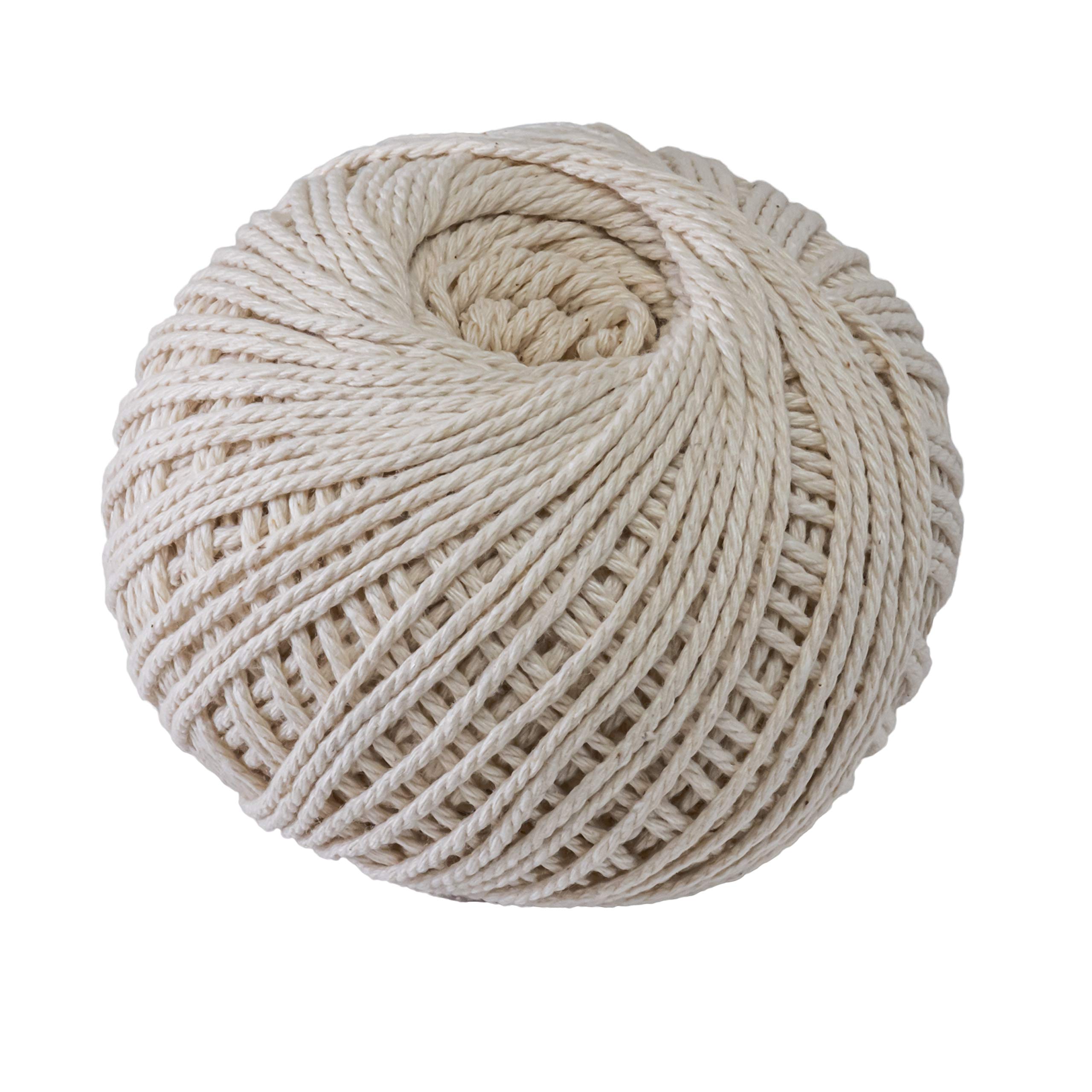 | Safety Tools High Strength Cotton Line Dori Roll Durable Industrial Twine for Safety Tools, Packaging & Marking Our premium quality Cotton Line Dori Roll is designed for industrial and safety tool applications where strong, reliable tying and marking is... View product → |
Frequently asked questions
What should you include in a cotton line dori request for quotation?
State the required diameter, fibre composition, ply or braid construction, breaking strength, roll length, colour, packaging, tolerance and quantity. “Cotton line” alone lets dealers quote different products.
How can you test whether a dealer can maintain regular supply?
Ask about monthly production or stocking capacity, standard lead time, minimum order quantity, repeat-order scheduling, batch records and the process for handling shortages. Check these claims against a sample order.
How do you match cotton dori to the job?
Compare fibre, diameter, ply or braid, surface finish and tested breaking strength with the actual abrasion, moisture, temperature and handling conditions. Do not use cotton dori as a lifting sling or fall-protection component.
What risks should you check before using cotton line dori?
Keep it away from sustained wet storage, oil and chemicals unless compatibility is confirmed. Inspect for fraying, cuts, mildew, contamination and heat damage, and remove damaged line from service.
What should you inspect when a dori delivery arrives?
Measure the diameter, count or verify roll length, inspect the surface and ends, check labels and batch details, examine packaging for moisture, and compare the material with the approved sample.