A spring-loaded welding helmet is not defined by a spring alone: the hinge, headgear, shell, lens assembly, and adjustment hardware determine whether the visor stays secure and the filter protects you. By the end, you will have a practical checklist for comparing helmet designs, testing fit and movement, verifying compliance, and judging whether a dealer can support the helmet after purchase.
Key takeaways
- Check lens shade range, optical class, reaction time, and process compatibility.
- Test visor balance, pivot resistance, and headband adjustment before buying.
- Ask whether the dealer stocks springs, pivots, headgear, and replacement lenses.
- Compare technical guidance, spares availability, warranty terms, and delivery commitments.
What exactly is spring-loaded on the welding helmet?
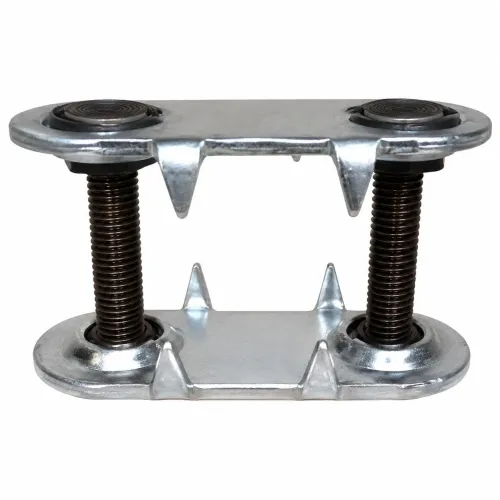
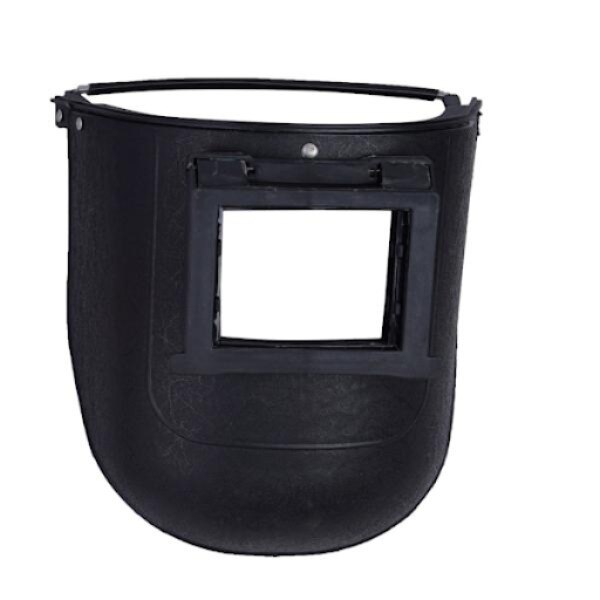
A spring-loaded welding helmet uses a spring at the welding helmet hinge or inside the headband tension system to control movement and retention. The shell carries the headgear and lens assembly; pivots connect the visor to the shell; tension hardware sets resistance.
The spring assists visor lifting, or holds a flip-front welding helmet securely open and closed without binding. “Spring loaded” can describe the flip-front hinge or spring-tension headgear. It does not describe the auto-darkening filter, which is a separate lens cartridge assembly.
Ask the dealer for:
- The exact helmet model and revision
- The headgear revision and lens cartridge identification
- The spring or hinge part number
- Approved replacement dimensions and installation instructions
Do not accept a generic spring. An unsuitable part can change lift force, balance, filter seating, impact protection, or field of view. Low-current TIG needs responsive filter controls; MIG and stick need dependable shade switching; tack welding benefits from stable intermediate visor positions; confined spaces demand controlled movement and shell clearance.
| Option | What it means | Best fit |
|---|---|---|
| Spring-loaded | Assisted lift and positive retention | Overhead work and repetitive inspection |
| Ratchet | Notched adjustment positions | Secure, repeatable retention |
| Friction-hinge | Resistance holds the visor anywhere | Frequent positioning |
| Fixed-front | No lifting visor | Simple bench welding |
| Flip-front | Entire front visor raises | Setup, tack welding, and inspection |
| Auto-darkening | Filter changes shade electronically | Welding-to-grinding work with a suitable grind mode and filter settings |
Which specifications prove that a helmet is suitable for your process?
A shade number alone is incomplete.
Put these welding helmet specifications on the quotation: the applicable standard and marking, such as ANSI Z87.1 or EN 175; manufacturer and model; complete helmet/filter assembly identification; lens shade range; light-state and dark-state shades; passive or auto-darkening operation; switching time; viewing area; optical class; sensitivity and delay ranges; sensor configuration; grind mode; power source; operating-temperature range; shell material; and helmet weight.
Shade selection must match the process, electrode or wire size, and welding current. OSHA’s welding shade table covers shielded metal-arc, gas metal-arc, flux-cored, gas tungsten-arc, air-carbon-arc, and plasma operations.
| Operation | Specify | Why it matters |
|---|---|---|
| Shielded metal-arc | Electrode diameter, current, dark shade | A wide lens shade range does not select the safe shade for you |
| Gas metal-arc or flux-cored | Wire diameter, current, dark shade | Transfer mode and arc brightness change the requirement |
| Gas tungsten-arc | Minimum operating current, sensitivity, dark shade | Low-current starts can fail to trigger a filter |
| Air-carbon-arc or plasma | Current range and required dark shade | Bright arcs require process-specific protection |
For an auto-darkening welding helmet, require the EN 379 optical class with all four ratings: optical clarity, scattered light, homogeneity, and angular dependence. Also record battery type, replaceability, storage life, low-battery indication, solar-cell dependence, and filter behaviour when power is insufficient.
Require compliance evidence for the complete assembly, including impact resistance and heat- and electrically insulating properties—not merely a filter marketing claim.
How do you prove the helmet fits before you buy it?
Prove welding helmet fit at the counter, not from shell size alone. Bring the PPE you will actually wear, because poor welding PPE compatibility can make you loosen the helmet or lift it during work.
1. Set the helmet headband adjustment, crown strap, and nape strap through their full ranges. Wear safety glasses, hearing protection, a welding jacket, and your respirator when the hazard assessment requires one. Add a hard hat where the workplace requires it.
2. Raise and lower the helmet repeatedly. Check welding helmet balance, pivot clearance around your ears and neck, spectacle clearance, shell contact, and field of view. The visor must remain stable when fully lowered, fully raised, and stopped at intermediate positions.
3. Put on gloves and cycle the spring-loaded mechanism repeatedly. It must travel smoothly, hold positive open and closed positions, move equally on both sides, show no side play, make no abnormal spring noise, and avoid contact with the shell.
4. Reject the helmet if the visor drops under its own weight, sits at a crooked viewing angle, strains your neck because of excessive tension, or operates only when the headgear is loose. Do not accept physically compatible replacement headgear, springs, hinges, or cartridges without model-specific approval.
A welding helmet does not provide respiratory protection. A face seal or air attachment is not automatically an approved respirator; use the respirator selected under your workplace respiratory-protection program.
Can the dealer support the mechanism when parts wear out?
A low purchase price is poor value if a worn spring forces full helmet replacement. Ask whether the spring and hinge are replaceable or sealed into a complete assembly, then request model-specific compatibility information and installation instructions for every helmet hinge replacement.
Require a written welding helmet spare parts list covering:
- Springs, pivots, washers, nuts, and headgear
- Front covers, inner lenses, outer cover lenses, and a replacement cover lens
- Sweatbands, batteries, and replacement filter cartridges
A weak spring lets the visor fall; excessive tension causes neck strain. Uneven pivots tilt the viewing angle, cracked shell mounts compromise retention, stripped adjustment threads prevent fit control, and loose headgear allows movement during work.
Compare warranty terms by component, not under one vague welding helmet warranty.
| Component | Confirm in writing |
|---|---|
| Auto-darkening cartridge | Defect period and replacement process |
| Shell | Cracks, impact damage, and coverage duration |
| Headgear | Adjustment and retention-part coverage |
| Spring or hinge parts | Coverage and helmet hinge replacement route |
| Batteries | Included defects versus consumable status |
| Cover lenses | Whether scratches and clouding are excluded |
| Accidental damage | Exclusions, assessment, and repair cost |
External cover lenses are consumables: spatter, scratches, clouding, and embedded grinding dust reduce visibility and can interfere with sensors. Record replacement-part lead times and minimum order quantities. Ask Goyals Industrial Hub or any competing dealer to supply an approved replacement, never a physically compatible but uncertified spring, hinge, headgear, or cartridge.
How should you compare dealers before placing the order?
Score each welding helmet dealer on evidence, fit, and service—not on catalogue price.
| Option | Dealer check | Decision rule |
|---|---|---|
| Spring-loaded flip front | Low, repeatable lift effort; secure open and closed retention | Prioritise for overhead welding and repetitive inspection |
| Intermediate visor positions | Stable at partially raised positions | Choose for tack welding and setup checks |
| Welding-to-grinding use | Durable outer cover and usable grind mode | Require both before switching tasks |
| Confined-space use | Pivot and shell clear ears, neck, and nearby surfaces | Reject interference or restricted movement |
Ask every welding safety equipment supplier to provide:
- Exact helmet model, revision, headgear revision, lens cartridge, and spring or hinge part number.
- Compliance marking for the complete assembly, filter markings, optical classification, and filter documentation.
- The correct shade for your current, wire diameter, or electrode size; a shade number alone is not enough.
- A counter demonstration showing smooth spring movement, equal movement on both sides, positive open and closed retention, and no abnormal noise or shell contact.
- Replacement spring, pivot, headgear, cover lens, battery, and filter-cartridge part numbers, prices, minimum order quantities, and written lead times.
Use this welding helmet procurement checklist when comparing an industrial PPE dealer. A supplier that also sells welding PPE and workshop equipment is useful only when it answers model-specific questions instead of offering generic accessories. Record the model number, filter markings, shade settings, optical classification, fit result, spare-part numbers, warranty terms, and service contact.
Obtain separate written coverage for the cartridge, shell, headgear, spring or hinge, batteries, cover lenses, and accidental damage.
Frequently asked questions
What exactly is spring-loaded on a welding helmet?
A spring can control visor movement at the hinge or maintain tension inside the headband system. Check which mechanism the helmet uses and how its parts are replaced.
Which specifications prove that a helmet is suitable for your process?
Compare the lens shade range, optical quality, switching performance, viewing area, and compatibility with your welding process and current.
How do you prove the helmet fits before you buy it?
Wear it with your usual eye, face, and respiratory protection. Check headband adjustment, visor balance, pivot resistance, clearance, and stability while moving.
Can the dealer support the mechanism when parts wear out?
Ask for the parts list, replacement spring or pivot availability, headgear options, lens replacements, warranty terms, and repair process.
How should you compare dealers before placing the order?
Compare specification advice, fit support, genuine spare parts, documentation, warranty handling, stock status, delivery terms, and after-sales response.