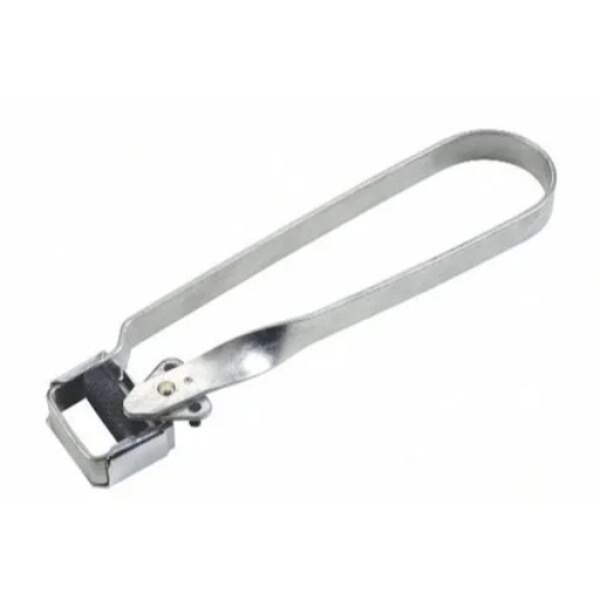
A welding spark lighter creates the spark that ignites fuel gas at an oxy-fuel torch tip; it does not produce a flame or protect the gas system. By checking the tool, its consumables, the dealer’s documentation, and its suitability for your workshop conditions, you can avoid unreliable ignition and unsupported replacement parts.
Key takeaways
- Choose a purpose-built friction lighter for oxy-fuel torch ignition.
- Inspect the handle, striker, guard, and spark-producing stone before buying.
- Compare spark performance with gloves, wind, grease, and repeated workshop use.
- Confirm paperwork, replacement stones, warranty terms, and ongoing dealer supply.
Confirm What the Spark Lighter Is Designed to Do
A welding spark lighter should create a controlled spark that ignites gas at an oxy-fuel torch tip; it does not produce a continuous flame. For oxy-fuel torch ignition, choose a purpose-built friction lighter or another approved ignition device.
OSHA 29 CFR 1910.253(e)(2)(i) requires this approach and prohibits lighting a torch with a match, cigarette lighter, or flame from hot work.
Do not accept a dealer’s claim that the lighter provides any of these separate safety functions:
- A flashback arrestor stops a flame front from travelling into the hose or gas supply.
- A check valve limits reverse gas flow between the fuel and oxygen lines.
- A regulator controls cylinder pressure and delivery pressure.
- A leak detector identifies escaping gas at a connection or hose.
Never use a spark lighter to investigate a suspected gas leak. Follow the gas system’s approved leak-check procedure and use its specified leak-detection method; a spark at a leaking fuel-gas connection can cause the fire you are trying to prevent.
Ask what the dealer’s conformity statement covers. A claim about an ignition lighter does not certify the welding torch, blowpipe, hose assembly, or gas-handling performance. The product should carry a repeatable identification mark, with instructions that describe ignition only and a clear rejection policy for a lighter that no longer sparks reliably.
Inspect the Lighter’s Construction Before Buying
A lighter that works once at a counter can still fail after a week of workshop use. A proper spark lighter inspection checks whether the striker wheel turns smoothly, the spark cup remains secure, and the body stays tight after repeated striking.
| Feature | What to inspect | Reject when |
|---|---|---|
| Striker wheel | It rotates evenly, grips the flint, and sits firmly on its pin | It wobbles, binds, or needs excessive force |
| Spark cup | The cup is intact, aligned with the wheel, and catches sparks without sharp edges | It is cracked, loose, badly bent, or has burrs |
| Handle and body | The handle feels rigid, fits gloved hands, and does not loosen when twisted | It is too small, flexes, or separates from the frame |
| Wire loop reach | The loop reaches the torch tip while your hand stays outside the flame path | You must lean into the flame or touch a recessed tip |
| Guard coverage | The guard shields the hand from the ignition area without blocking the target | Fingers can slip toward the tip during a strike |
Test the sample with the gloves operators actually wear. Check it against the workshop’s torch tips and extraction airflow, because wind, slag on the striker, damp flints, bent wire geometry, and reduced grip force can turn a showroom spark into repeated failed attempts.
Prefer a handle that gives controlled leverage rather than the highest spring force. A model that requires repeated strikes increases ignition exposure, wears the flint faster, and creates downtime. Keep spare flints dry and protect the wire loop from bending in toolboxes.
Compare Ignition Methods Under Real Workshop Conditions
For routine oxy-fuel torch lighting, choose a purpose-built friction spark lighter unless the torch manufacturer or site procedure approves another device. Compare each option at the actual torch tip, not on a showroom bench.
| Method | Ignition and wind resistance | Workshop consequence |
|---|---|---|
| Friction spark lighter | Strikes a spark without storing or releasing fuel; a guarded cup gives useful wind resistance | Lowest consumable cost and no open lighter flame; replace stones when sparks weaken |
| Disposable gas lighter | Produces a flame, but wind can extinguish it and fuel runs out | The spark lighter versus gas lighter choice favours the spark tool for controlled torch lighting; the flame also adds fuel and burn exposure |
| Matches for torch ignition | Flame is exposed, burns briefly, and has poor wind resistance | Do not use them for oxy-fuel torch ignition; OSHA 29 CFR 1910.253(e)(2)(i) requires a friction lighter or another approved device |
| Electronic or piezo igniter | Makes a spark without a flame; wind resistance depends on electrode shielding and tip reach | A valid alternative only when approved for that torch and kept charged, powered, or mechanically serviceable |
Try the device with the torch shut off: reach the recessed tip while your hand stays outside the flame path, then check whether one deliberate action produces a spark. Do not use any igniter to find a gas leak; use the gas system’s approved leak-detection method.
Keep it free from oil and grease around oxygen equipment, and do not treat it as a flashback arrestor, check valve, regulator, or leak detector.
Check the Dealer’s Product, Paperwork, and Support
Do not approve a quote until the welding spark lighter dealer can tie the advertised model to the item in your hands and to a support process after purchase. Product identification on the lighter, packaging, and invoice should match.
- Ask for the manufacturer or model number, operating instructions, and a repeatable part number for the complete lighter and its replacement stones. Unmarked generic units make design changes and recurring ignition failures difficult to trace.
- Compare the supplied lighter with the listing before accepting delivery: striker wheel, spark cup, handle, finish, and included parts must match the quoted specification.
- Require an invoice that names the model, quantity, price, and supplied wear parts. Keep it for warranty or replacement claims.
- Get the return policy in writing. It must address worn flints, distorted spark wires, cracked handles, loose components, and a lighter that stops sparking reliably.
- Ask what stock is available now, how replacement parts are identified, and whom you contact for troubleshooting. “Available” without a part number is not dependable support.
- Treat certification claims precisely. A lighter’s specification does not certify it as a welding torch; ask which product, component, or test the conformity statement covers.
For oxy-fuel work, confirm that the device is a purpose-built friction lighter or another approved ignition device. OSHA 29 CFR 1910.253(e)(2)(i) requires approved torch lighting methods and prohibits matches or hot-work ignition. A lighter is not a flashback arrestor, check valve, regulator, or leak detector; never use it to find a gas leak.
If Goyals Industrial Hub quotes related welding equipment, ask for the lighter’s separate identification and paperwork.
Verify Replacement Stones and Long-Term Workshop Supply
Ask the dealer to identify the lighter’s consumable system: replaceable flint, replaceable abrasive element, or piezoelectric mechanism. For a flint model, match the manufacturer’s part number and confirm the flint diameter and length against the installed stone and striker cavity.
A stone that is too wide can jam the wheel; one that is too short can lose contact and stop producing sparks.
Request a demonstration or fitting instruction before ordering replacement lighter stones. The wheel must rotate freely, the spring or retainer must hold the stone firmly, and the striker must throw a spark at the torch tip without putting your hand into the flame path.
Check wire-loop reach, guard coverage, handle length, and access to recessed tips; these features determine torch compatibility more than a generic “single-flint” label.
Ask for written details covering the lighter and its spark lighter consumables:
- A repeatable part number for the complete lighter and each wear part
- Current stock, expected replenishment, and minimum order quantity for replacement stones
- Replacement or rejection terms for worn flints, distorted spark wires, cracked handles, loose components, or unreliable sparking
- Operating instructions, cleaning guidance, and storage precautions
- Compatibility with your torch model and fuel system
For oxy-fuel work, specify a purpose-built friction lighter or another approved ignition device. OSHA 29 CFR 1910.253(e)(2)(i) prohibits lighting torches with matches or from hot work. Keep the lighter free from oil and grease, and store it where it cannot contaminate torch connections, valves, or regulators.
Frequently asked questions
What is a welding spark lighter designed to do?
It creates a controlled spark to ignite gas at an oxy-fuel torch tip; it does not produce a continuous flame.
What should you inspect on a welding spark lighter before buying?
Check the handle, striker mechanism, spark guard, fasteners, and replaceable stone for secure, durable construction.
Which ignition method suits real workshop conditions?
Compare a purpose-built friction lighter with other approved ignition devices using gloves, wind, grease, and repeated ignition as test conditions.
What should you ask a welding spark lighter dealer to provide?
Ask for product specifications, operating instructions, safety information, warranty terms, and clear support contacts.
How do you maintain a welding spark lighter for long-term use?
Keep replacement stones in stock, replace worn stones promptly, and confirm that the dealer can supply compatible parts.