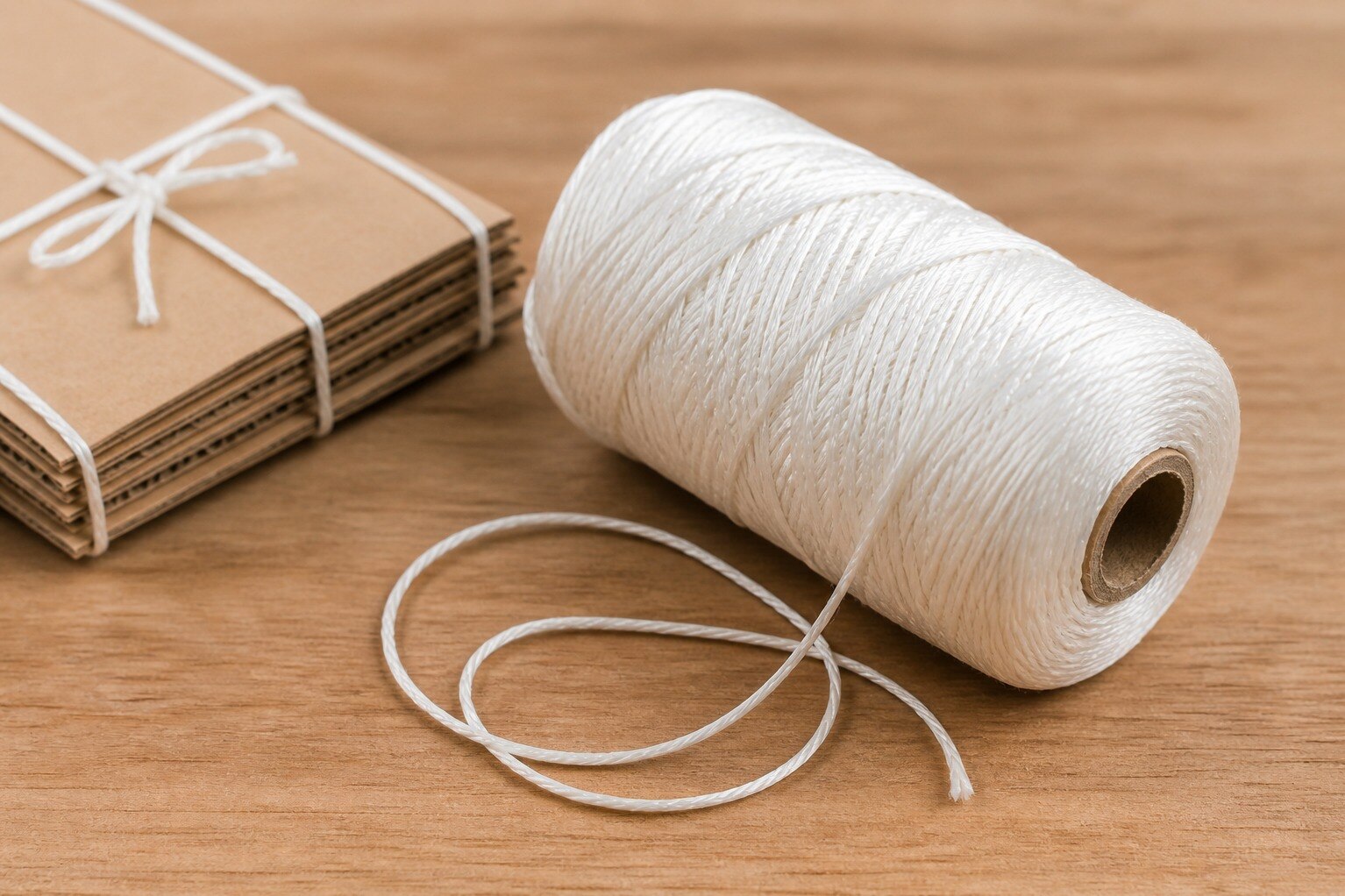
A dealer’s label is not a specification: “silk line dori” can describe natural silk, a synthetic filament, a glossy finish, or informal trade language. You will be able to define the line precisely, test it against your process, and select a supplier that can reproduce the approved result from lot to lot.
Key takeaways
- Define whether “silk” means natural silk or synthetic filament.
- Match diameter, stretch, finish, and abrasion resistance to the job.
- Request batch records, specifications, and replenishment controls.
- Approve a sample and complete a paid trial before regular orders.
Define the Silk Line Dori Before Comparing Dealers
A quotation for silk line dori is incomplete if it says only “silk” and a price. “Silk” might mean natural silk, a synthetic filament with a glossy finish, or local trade terminology; those materials will not feed, stretch, knot, or resist abrasion alike.
Ask the dealer to identify:
- Fiber construction and filament type, including spun or continuous filament
- Nominal diameter in millimetres and diameter tolerance
- Minimum breaking strength, permitted working tension if applicable, and elongation at a stated load
- Surface finish, lubricant or coating, colour and dye-lot control
- Spool length, length or mass tolerance, winding method and packaging
- Knot or splice behaviour, smoothness requirement and acceptable batch variation
- Part number, drawing or specification revision, and written change-notification terms
| Quotation detail | What to compare | Why it matters |
|---|---|---|
| Fiber and filament | Natural silk, synthetic filament, spun yarn | Changes strength, stretch, friction and consistency |
| Construction and finish | Twist, braid, coating or lubricant | Alters feeding, knot security and abrasion |
| Size and supply unit | Diameter tolerance, spool length and winding | Prevents machine settings and usage rates from drifting |
| Control status | Controlled specification or selected stock | Separates repeatable supply from a one-off catalogue item |
Require notice before changes to fiber source, dye, finish, construction, packaging, manufacturing site or subcontractor. A pre-production sample is not the specification; retain it as the reference and make the approved limits contractual. Compare every dealer against that same document, not against a visually similar “silk line dori.”
Match the Line to the Job and Set Safety Limits
Use silk line dori where the line positions, groups, identifies, or lightly restrains items rather than carrying a suspended load. It suits carton bundling, component tying, temporary marking, and cable identification when the specified diameter, stretch, finish, and breaking load remain consistent.
| Task | Suitability | Use a different product when |
|---|---|---|
| Carton bundling | Suitable for light cartons and internal packaging | The bundle needs tensioned strapping, compression, or pallet restraint |
| Component tying | Suitable for holding parts during assembly or storage | Edges, heat, oil, abrasion, or high tension could cut or weaken the line |
| Temporary marking | Suitable for colour-coded tags, location marking, and short-term identification | Outdoor exposure, chemicals, or long service life demands a rated marker or tape |
| Cable identification | Suitable for bundling and visual identification of de-energised cables | The line could contact live conductors, hot surfaces, moving parts, or insulation requiring a specified material |
| Non-load-bearing restraint | Suitable for keeping covers, hoses, or loose items in position | Failure could release a person, suspended object, or stored energy |
Set a written limit for tension, temperature, chemical exposure, and contact with sharp edges. A nominal breaking load does not create a working-load limit: do not substitute this cord for a lifting sling, fall-arrest line, crane rope, or rigging component.
Use a product with its own rated standard, identification, inspection rules, and working-load limit; OSHA 1910.184 governs many sling applications. For electrical or regulated products, request a compliance declaration tied to the exact fibre, dye, coating, and revision.
Qualify a Dealer’s Documentation and Replenishment Controls
A dealer who can provide repeat supply will show controlled records, not rely on a catalogue description. Ask whether the line is manufactured to a controlled specification or merely selected from available stock, then place the specification revision, permissible substitutions, packaging, and change-notification requirement on the purchase order.
Ask these questions before approval:
- What batch identity appears on every spool or carton, and can you trace it to the production lot and raw-material lot?
- What records demonstrate batch consistency for diameter, finish, colour, material composition, and roll length?
- How do you quarantine affected stock, notify customers, and recall shipments after a defect is found?
- What replenishment lead time, minimum order quantity, and reserved-stock arrangement apply to repeat orders?
- Can you supply the same spool length and packaging at the next delivery, rather than substituting a different stock format?
An invoice number alone is not traceability. Without a batch number, a complaint cannot be isolated to the affected shipment, so usable stock may be held back unnecessarily.
Request a controlled change procedure. A fibre, finish, dye, winding method, or packaging change must trigger written notice and reapproval before delivery.
For safety-critical assemblies, verify certificates with the issuing laboratory. Check its ISO/IEC 17025 accreditation scope and confirm that it covers the stated textile or tensile test; an unaudited PDF proves little. A dealer who cannot answer these questions is offering a one-time stock item, not controlled supply.
Approve a Sample and Inspect Every Incoming Lot
Approve the line only after a retained sample passes the same checks you will apply to production rolls. Your sample policy must define acceptance limits for diameter, spool mass or usable length, colour, surface appearance, tensile performance, and splice or knot performance.
1. Request enough sample material to test several points along the roll, not just the outer layer. Measure diameter with a calibrated gauge, weigh the spool, verify length, and record fuzz, stains, hard spots, loose winding, and colour variation.
2. Test breaking force and elongation using a named method and stated conditions. ISO 2062 provides a recognised method for yarn testing; reject a certificate that reports only “strength” without the test method, specimen basis, conditioning, and lot number.
3. Tie the knots and splices used in production, then record slippage, breakage, pull-through, and handling damage. A line that meets tensile strength but fails knot performance will create stoppages and rejected assemblies.
4. Approve one sealed reference sample with its specification, test results, photographs, batch number, and date. Require written notice before any change to fibre, finish, dye, construction, winding, packaging, factory, or subcontractor.
5. Inspect every incoming lot against that reference. Use ISO 2859-1 to set the lot size, inspection level, and AQL, but apply 100% checks to critical attributes when one defective roll could compromise the job. An accepted lot can still contain nonconforming units.
Obtain a lot-specific certificate for each shipment. For safety-critical use, confirm the issuing laboratory’s ISO/IEC 17025 accreditation scope and verify that it covers the stated textile or tensile test.
Run a Paid Trial Before Making the Dealer Your Source
Do not approve a dealer after one free sample. Place a paid trial order covering multiple lots or deliveries, using the same approved specification for every spool. Record the promised date, actual arrival date, spool length, packaging condition, documents, and order-fill rate.
Measure each dealer on the same basis:
| Measure | Dealer A | Dealer B |
|---|---|---|
| Landed cost per usable spool | Unit price + freight, taxes, inspection, scrap, and safety-stock cost | Unit price + freight, taxes, inspection, scrap, and safety-stock cost |
| Minimum order quantity | Quantity, spool-size fit, and excess stock created | Quantity, spool-size fit, and excess stock created |
| Delivery reliability | Promised versus actual lead time; complete lines versus back orders | Promised versus actual lead time; complete lines versus back orders |
| Technical consistency | Diameter, mass or length, finish, tensile result, and knot or splice behaviour by lot | Diameter, mass or length, finish, tensile result, and knot or splice behaviour by lot |
A low unit price loses its advantage when a large minimum order quantity forces months of inventory, or when short spools create production stoppages. Include expedited replenishment and the labour needed to inspect or rework inconsistent material in your landed cost.
Ask Goyals Industrial Hub, or any shortlisted dealer, to identify the manufacturing specification, revision, production lot, and raw-material lot on each carton. Put permissible substitutions, packaging, and written change notice for fibre, coating, dye, construction, site, or subcontractor into the purchase order.
Reject a source that cannot quarantine affected lots and trace them beyond an invoice number. Repeat supply is proven by controlled results across the trial, not by a convincing first spool.
Related product
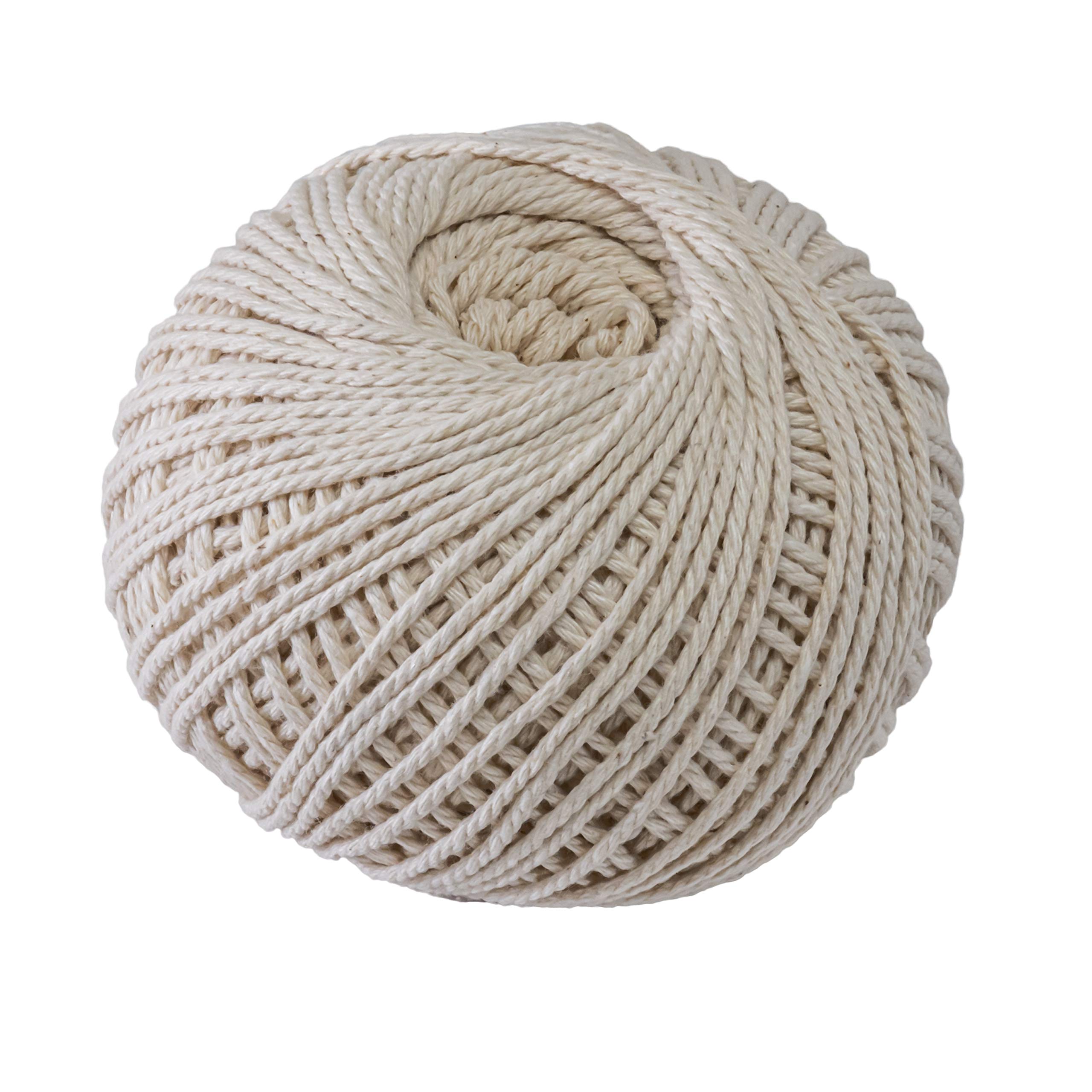 | Safety Tools High Strength Cotton Line Dori Roll Durable Industrial Twine for Safety Tools, Packaging & Marking Our premium quality Cotton Line Dori Roll is designed for industrial and safety tool applications where strong, reliable tying and marking is... View product → |
Frequently asked questions
What should you define before comparing silk line dori dealers?
Specify the material, diameter, construction, finish, colour, length, packaging, and required performance. Confirm whether “silk” means natural silk or a synthetic filament with a glossy finish.
How do you match silk line dori to the job?
Assess how the line will feed, stretch, knot, and resist abrasion. Set limits for diameter variation, breaking load, elongation, finish, and visible damage before choosing a product.
Which dealer documents and supply controls should you check?
Ask for a written specification, lot or batch identification, inspection records, packing details, and a process for repeat orders. Confirm that future lots will match the approved sample.
Why run a paid trial before choosing a regular dealer?
A paid trial tests production performance, handling, packaging, delivery consistency, and incoming inspection under real conditions. Compare the results with your written acceptance limits before approving the dealer.