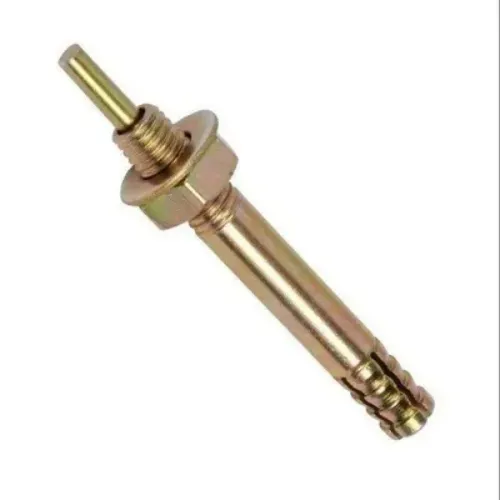
“GI nut bolt” is not a complete purchasing specification: hot-dip galvanised, electrogalvanised and mechanically zinc-coated fasteners differ in coating, thread fit and corrosion behaviour. By the end, you will have a dealer checklist covering dimensions, fastener type, compatible assemblies, standards, certificates, receiving inspection and application limits.
Key takeaways
- Ask the dealer to name the zinc-coating process.
- Match bolt geometry to the joint and load path.
- Buy nuts and bolts as a compatible galvanised assembly.
- Inspect samples before adding fasteners to stock.
Define the zinc coating before comparing dealers
GI means galvanised iron: a steel fastener protected by zinc, not a complete specification. Before comparing GI nut bolts, require the dealer to name the coating process.
| Option | Coating process | Practical consequence |
|---|---|---|
| Hot-dip galvanised fasteners | Immersed in molten zinc | Thicker barrier; zinc buildup affects thread fit and requires a compatible nut |
| Zinc-plated fasteners / electrogalvanised fasteners | Thin electrodeposited zinc layer | Lower coating thickness; ask about corrosion exposure and hydrogen embrittlement in high-strength steel |
| Mechanically zinc-coated fasteners | Zinc applied by a separate mechanical coating process | Do not assume hot-dip thickness or thread dimensions |
| Plain mild-steel fasteners | No zinc barrier | Rust protection depends entirely on paint, plating or the service environment |
A thicker coating improves exposure resistance, but excess zinc can seize threads or prevent the nut from fitting. For high-strength electroplated steel, ask for the plating standard, hardness or tensile range, hydrogen-relief treatment and process-control record; “zinc coated” does not answer the embrittlement question.
For hot-dip hardware, request:
- ISO 1461 or ASTM A153/A153M, including the standard edition
- Coating class, measured coating thickness or coating mass, and inspection method
ASTM A653/A653M primarily covers coated sheet and strip, so it is not an adequate substitute for a fastener coating specification. Also check galvanic compatibility with copper, brass, stainless steel or weathering-steel residue, especially where moisture can remain trapped.
Match the fastener geometry to the joint, not just the hole size
Specify the nominal diameter, thread pitch, thread form, length and strength before asking for a price. A hole that accepts an M12 bolt does not prove that every M12 replacement fits the joint.
1. Record the joint geometry: measure the material stack, washer thickness and nut height. Your bolt length calculation must leave usable thread beyond the nut, while preventing bolt bottoming in a tapped hole or contact with the end of a blind hole.
2. State the thread: metric coarse or fine pitch, thread form and required property class under ISO 898-1. Where dimensions under IS 1363 apply, identify that standard and the applicable bolt dimensions.
For ordinary steel maintenance joints, thread engagement should at least cover the full nut height; safety-critical and preload-controlled joints require the engineer’s specified engagement.
3. Select the fastener form for the access problem, not merely the hole: hex bolts suit general access; structural bolts belong in designed steelwork; carriage bolts use a square neck to prevent rotation; T-bolts fit slots; U-bolts wrap pipe or channel; studs suit permanent tapped holes; threaded rods suit adjustable or through-frame connections.
Structural bolts are not interchangeable with general-purpose GI bolts. Lifting lugs, crane attachments, machinery anchorages and slip-critical joints need design approval and installation control, not a catalogue match.
For maintenance replacements, verify unthreaded length, head clearance, washer fit and nut travel with gauges. A correct diameter with the wrong pitch or thread form still creates a failed joint.
Buy a compatible galvanised assembly with evidence behind it
A bolt-only price is not a complete fastener quotation. Require a galvanised nut and bolt set containing the bolt, matching galvanised nut, flat washer and spring washer when the joint design calls for them; otherwise, the missing components can delay assembly or introduce incompatible hardware.
Hot-dip galvanising adds zinc to the bolt threads. The nut is therefore commonly an oversize tapped nut, made to accommodate that buildup. A mismatched nut can seize, require excessive torque or leave too little thread engagement.
Require the quotation to identify:
- Manufacturer, nominal diameter, length, thread pitch, grade or property class, bolt markings and nut markings.
- The galvanised nut, flat washer and spring washer supplied with the bolt, including their dimensions and grades.
- Coating standard, class, measured coating result, coating lot, fastener lot and lot traceability.
- Heat or melt identification where applicable, inspection results and a certificate of conformity.
- For structural steelwork, the complete assembly specification under ASTM F3125/F3125M or the named project standard: bolt grade, nut, washer, coating, markings and installation method.
Reject “high-tensile galvanised bolts” without these details. Metric property-class markings cannot substitute for specified structural-grade markings.
Catalogue torque values do not transfer reliably between galvanised lots. Lubrication, zinc condition, nut condition and washer interfaces change the torque-to-tension relationship. For tension-critical joints, specify turn-of-nut, a calibrated wrench, tension-control bolts, direct-tension indicators or a preinstallation verification test.
Inspect the sample before it reaches fabrication or maintenance stock
Quarantine the shipment until a fastener receiving inspection is complete; do not place it directly into maintenance stock. Record the manufacturer, lot number, grade, coating lot and certificate reference.
1. Using calibrated gauges, measure nominal diameter, pitch, under-head length, unthreaded length, thread runout, head dimensions, washer bore and nut engagement against the purchase specification.
2. Assemble the supplied nut by hand across the full usable thread. Stop if it binds, rocks, cross-threads or reaches the bolt end before clamping the joint. Check that the washer bore fits without excessive clearance and that the bolt does not bottom in a tapped hole.
3. Inspect coating continuity around the head, shank and threads. Reject or quarantine parts showing bare steel at cut threads, deep scratches or red rust.
4. Treat white rust as a storage condition requiring assessment, not automatic proof of coating failure. Wet galvanised parts packed tightly with restricted airflow can form white corrosion products; separate wet bundles, dry them and store them in a ventilated area before judging damage.
5. Confirm that head and nut markings agree with the certificate, and keep mixed lots out of one maintenance bin. For electroplated high-strength fasteners, request the plating standard, steel hardness or tensile range, hydrogen-relief treatment and process-control record before using them in highly stressed joints, where hydrogen embrittlement can cause sudden fracture.
Compare dealers by a job-specific purchase specification
A job-specific RFQ exposes whether a dealer can support fabrication fasteners, construction fasteners and maintenance fasteners after delivery. State the application and joint geometry, then specify diameter, pitch, length, fastener form, property class or structural grade, coating process and standard, measured coating result, compatible nut-and-washer set, quantity, lot segregation, markings, certificates and installation method.
- Request the manufacturer, fastener and coating lot, heat or melt identification where applicable, certificate of conformity, inspection results and packaging or dry-storage instructions.
- Require sample approval before production release, with dimensional gauges for diameter, pitch, thread class, unthreaded length, thread runout, head dimensions, washer bore and nut engagement.
- Ask how the supplier records lot-level traceability and handles nonconformance, mixed lots and replacement stock.
| Dealer evidence | What it proves | Warning sign |
|---|---|---|
| Sample approval | Your actual assembly fits and functions | Catalogue image only |
| Certificate matching | Markings, grade, coating and lot agree | Internal part number only |
| Supplier qualification | Controls support repeat supply | Lowest unit price alone |
| Replacement process | Dimensions and coating are reverified | “Same size” substitution |
For replacements, require verification of thread class, pitch, unthreaded length, head dimensions and coating compatibility. Separate standard hardware from engineered supply; send pressure-boundary supports, crane attachments, lifting lugs, machinery anchorages and slip-critical joints to the project engineer for approval and installation control.
Goyals Industrial Hub belongs in the GI nut bolt dealer comparison when it can provide that evidence, as should any qualified supplier.
Frequently asked questions
What should you confirm about a GI nut bolt’s zinc coating?
Ask the dealer to identify the coating process, such as hot-dip galvanising or electroplating, rather than accepting GI as a complete specification.
How do you choose the correct nut and bolt geometry?
Match thread length, shank, head, nut style, washer arrangement, and joint access to the connection instead of selecting by hole diameter alone.
Why should galvanised nuts and bolts be purchased as an assembly?
Compatible assemblies account for thread fit and coating interaction, while dealer evidence helps you verify what was supplied.
How can you inspect GI fasteners before fabrication or maintenance use?
Check the sample for coating coverage, damaged threads, burrs, cracks, incorrect dimensions, markings, packaging details, and evidence matching your purchase specification.