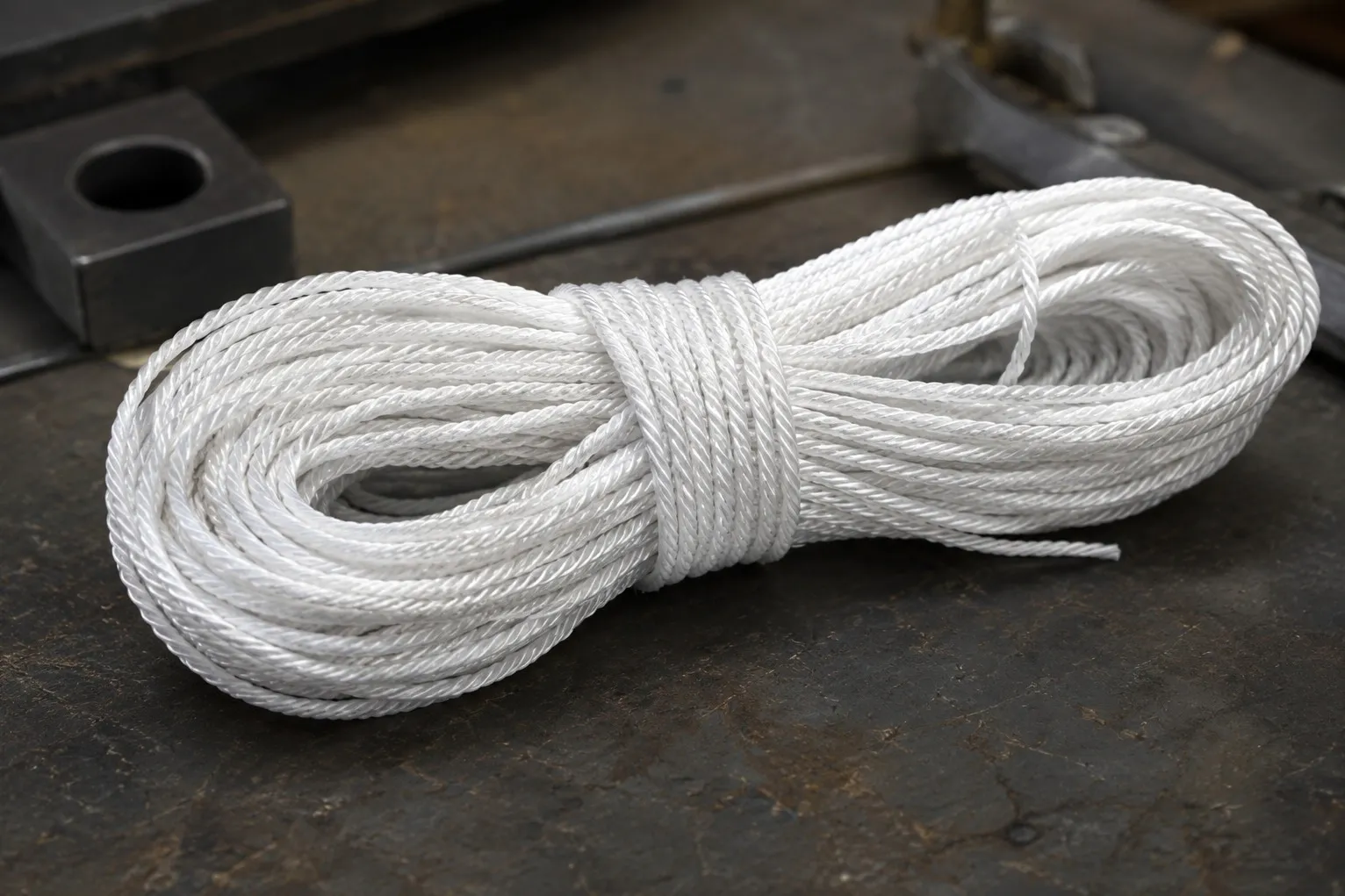
Cordage and dori products may appear simple, but buyers often discover that thickness, construction, flexibility, finish, strength, and consistency can vary considerably between products. Where dori is used repeatedly in packaging, tying, workshop, commercial, or other suitable applications, these differences can affect everyday operations.
Choosing a Silk Line Dori dealer therefore requires a clear understanding of what the material needs to do.
Industrial and commercial buyers in Delhi can improve procurement by evaluating samples and specifications before moving to repeat orders.
Define the Intended Use
The first step is understanding the application.
A cord required for light bundling may not need the same characteristics as one selected for repeated workshop use or presentation-sensitive packaging.
Buyers should identify whether appearance, flexibility, knot retention, thickness, handling, length consistency, or another characteristic matters most.
The term 'dori' alone does not provide enough information for accurate purchasing.
Check Thickness Consistency
When cord is used repeatedly, variations in diameter can affect knotting, feeding, handling, and finished appearance.
Consistency becomes especially important where the same dori is used as part of a standard packaging or production process.
Businesses purchasing larger quantities may therefore benefit from checking representative samples before approving regular supply.
Evaluate Surface Characteristics
The feel and finish of the cord can influence suitability for different tasks.
Some applications may prioritise a smoother appearance, while others may require easy handling and dependable knotting.
Buyers should assess the actual product rather than relying solely on a generic category description.
Understand Packaging Quantity
Bulk buyers need to know how the material is supplied.
Depending on the product, quantity may be described by roll, spool, bundle, weight, or length.
Clarifying this before comparing quotations prevents misleading price comparisons.
Two quotations can appear different simply because the packaging units are not equivalent.
Avoid Assuming Load Capacity
This is particularly important in industrial settings.
A general dori product should not be used for lifting, fall protection, load restraint, or another safety-critical application unless it has been specifically designed, rated, and approved for that purpose.
Visual thickness is not evidence of load-bearing capability.
Where controlled loads are involved, businesses should use properly specified equipment for the task.
Consider Repeat Availability
For businesses using the same cord regularly, continuity can matter as much as initial price.
Changes in diameter, texture, construction, or packaging can affect established processes.
Procurement managers should maintain clear product specifications and confirm requirements during repeat ordering.
Provide a Sample When Necessary
When replacing an existing dori, a physical sample or detailed specification can make identification easier.
Goyals Industrial Hub works with industrial and commercial buyers seeking engineering and workplace supplies in Delhi. Buyers approaching a Silk Line Dori dealer can improve the enquiry by sharing required thickness, quantity, construction preference, application, and any existing sample information.
Consistent purchasing begins with a clearly defined product requirement. Instead of treating all dori as interchangeable, evaluating construction, dimensions, packaging, handling characteristics, and intended use helps businesses make more dependable purchasing decisions.
Keywords