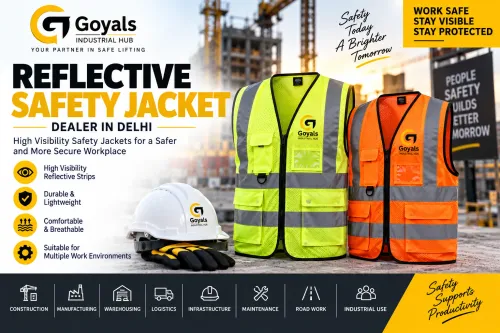
Visibility equipment can play an important role where employees work around vehicle movement, material handling, low-light areas, construction activity, loading zones, and other environments where being noticed quickly is important.
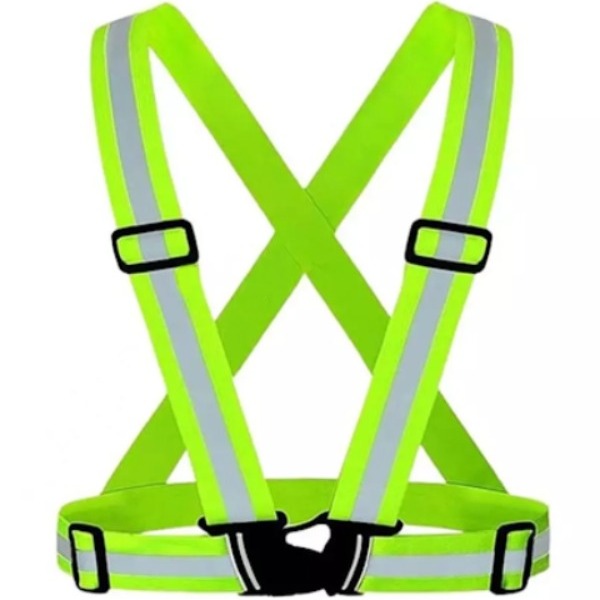
Reflective cross belts are one option used to improve wearer visibility in suitable applications. Businesses assessing a Reflective Cross Belt dealer should focus on fit, reflective performance, construction, working conditions, and applicable safety requirements.
For contractors, warehouses, engineering facilities, construction companies, maintenance teams, and industrial operations in Delhi, the purchasing decision should begin with a workplace risk assessment.
Understand Where Visibility Is Needed
Not every workplace presents the same visibility risk.
Employees working near moving vehicles may have different requirements from workers inside a controlled workshop. Night work, outdoor construction, loading areas, parking operations, logistics yards, and roadside environments can introduce additional visibility concerns.
Identifying these conditions helps determine whether a reflective cross belt is appropriate or whether more comprehensive high-visibility clothing is required.
Reflective Area Matters
A reflective product works by returning light toward its source under suitable conditions.
The arrangement and amount of reflective material can therefore influence visibility.
Buyers should examine the belt design and any relevant product information rather than choosing solely on colour.
Where a specific high-visibility standard applies to the work, procurement should follow that requirement.
Fit Influences Everyday Use
A visibility product needs to fit securely without unnecessarily restricting movement.
Adjustable designs can be useful where equipment is shared among employees or worn over different layers of clothing.
Procurement managers should consider the workforce, seasonal clothing, and actual tasks being performed.
Poorly fitting equipment may interfere with normal work and can discourage consistent use.
Construction Quality Deserves Attention
Industrial use can expose belts to dust, repeated adjustment, bending, storage, and daily handling.
Stitching, fastening points, adjustment hardware, elastic sections where present, and reflective material should therefore be evaluated for the expected usage.
For frequently used equipment, durability can influence total replacement cost.
Cross Belts Have Practical Limits
A reflective cross belt should not automatically be assumed to replace certified high-visibility garments required for particular occupations or sites.
Workplace safety requirements should determine the appropriate PPE.
If a project specification requires a particular visibility class or certified garment, purchasing teams need to source equipment meeting those requirements rather than substituting a simpler visibility accessory.
Build Visibility Equipment Into PPE Planning
Rather than purchasing reflective products only when shortages occur, safety teams can include them within routine PPE reviews.
Useful questions include:
- Which employees need enhanced visibility?
- Where are vehicle interaction risks highest?
- Is night work involved?
- What clothing is already being worn?
- Are specific standards required?
- How often should equipment be inspected?
- When should damaged items be replaced?
This creates a more systematic purchasing process.
Goyals Industrial Hub supports industrial buyers seeking safety equipment and engineering supplies in Delhi. When reviewing a Reflective Cross Belt dealer, procurement teams can explain the working environment, workforce requirements, quantities, fit preferences, and applicable safety specifications.
Visibility equipment should be selected as part of a broader workplace safety system. Matching the product to actual risk conditions, ensuring appropriate fit, and following applicable PPE requirements helps businesses make more responsible purchasing decisions.
Keywords