Rigging operations depend on components that work together as a system. Shackles are commonly used to create removable connections between compatible lifting and rigging components, making correct selection important whenever loads are being handled.
Working with a knowledgeable D Shackle dealer begins with understanding what a D shackle is designed to do and which specifications must be checked before use.
For fabrication facilities, construction companies, engineering industries, contractors, maintenance teams, and industrial buyers in Delhi, shackles should always be selected according to the intended rigging application rather than appearance alone.
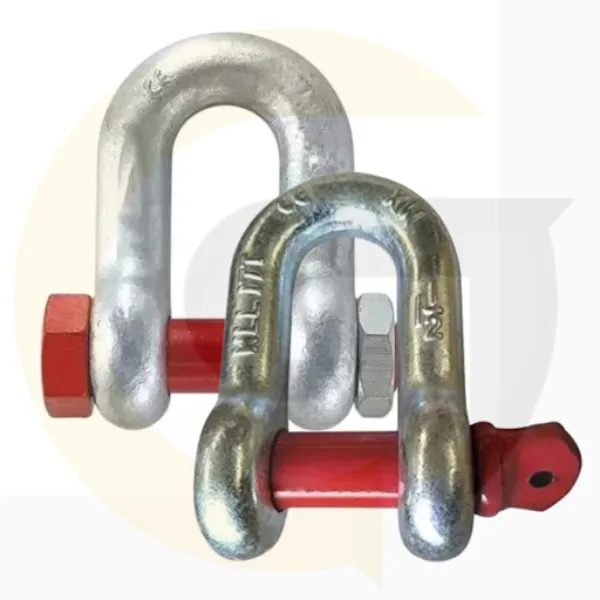
What Makes a D Shackle Different
A D shackle has a relatively narrow profile compared with wider bow-style shackles. Its shape is generally suited to applications where the load is intended to remain substantially aligned with the shackle.
This distinction matters because rigging hardware can behave differently when loading direction changes.
Users should never assume that two shackles with similar dimensions automatically have the same load characteristics.
Load Rating Comes First
One of the most important pieces of information associated with appropriate lifting hardware is its rated capacity.
Industrial teams should verify markings, manufacturer information, applicable specifications, and suitability for the planned lifting arrangement.
A shackle should not be selected simply because it physically fits the connecting components.
The complete rigging configuration needs to be considered, including the load, direction of force, sling arrangement, connecting points, and operating conditions.
Pin Type Affects Practical Use
Shackles can be available with different pin arrangements depending on the design.
Some configurations may suit applications requiring relatively quick connection and removal, while others may be selected where the connection needs additional security against unintended loosening.
Procurement teams should establish the intended use before specifying the pin type.
Inspection Is Essential
Rigging hardware is subject to mechanical stress and environmental exposure. Regular inspection is therefore a fundamental part of safe use.
A shackle may need to be removed from service if inspection identifies concerns such as:
- Significant deformation
- Excessive wear
- Cracks
- Damaged threads
- Severe corrosion
- Bent pins
- Illegible identification markings
Inspection criteria should follow applicable safety procedures, manufacturer guidance, and relevant standards.
Compatibility Cannot Be Ignored
The shackle forms only one part of the connection.
Buyers need to consider whether its dimensions are suitable for the sling eye, hook, lifting point, chain, or other compatible rigging component involved.
Poor compatibility can create undesirable loading conditions even when individual components appear strong enough.
Procurement Should Be Specification Driven
For professional industrial purchasing, a request for shackles should include more than quantity.
Useful information may include shackle type, nominal size, required working load rating, pin configuration, application, expected loading direction, and any relevant compliance requirements.
Goyals Industrial Hub supports industrial buyers seeking engineering and safety supplies in Delhi. When sourcing from a D Shackle dealer, procurement teams should ask for product information that allows the hardware to be evaluated against their actual rigging requirements.
Rigging components should never be treated as interchangeable commodity items. Correct specification, traceable product information, competent rigging practice, and routine inspection all contribute to safer load-handling operations.
Keywords